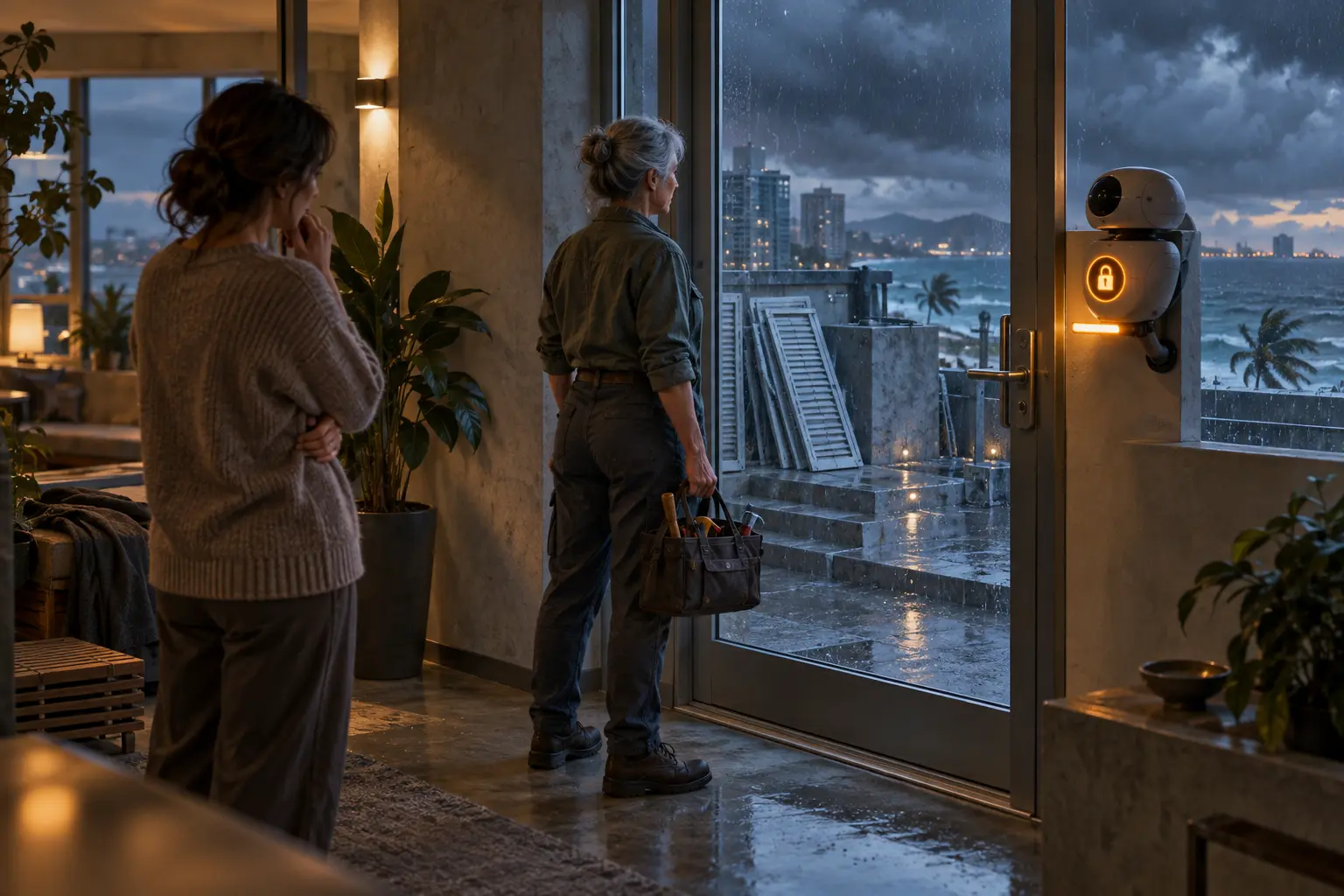
The poster for the neighborhood exhibition shows the community hall's front doors standing wide open. Beneath them: EVERYONE WELCOME.
At six, Amira arrives with her father, who uses a wheelchair. Six steps separate the pavement from those glass doors. A small arrow sends them around the building, past the bins and a delivery bay.
There is a ramp at the back. There is also a locked door and a telephone number. By the time a volunteer finds the key, the opening remarks are over.
The organizers are embarrassed. They thought the ramp had solved the problem.
Possible is not the same as ordinary
The committee has reasons for the arrangement. The hall is old, the front steps face a narrow pavement, and rebuilding the entrance would consume money they do not have. The rear ramp was a practical improvement. Without it, some neighbors could not attend at all.
The effort matters. Refusing any improvement short of perfection would leave people outside longer. But a route that works only when somebody answers the phone is not like the front doors.
Most of us need help sometimes. Here, some visitors can simply arrive, while others must explain themselves to be admitted. The invitation promises the first experience to everyone.
A route someone must own
At the next meeting, one volunteer suggests signs and a greeter. Another asks why the rear door cannot operate like the front. The caretaker says delivery trolleys regularly block the corridor. Someone proposes raising funds for a different entrance.
A sign is useless if the passage is blocked. A greeter may go home early. A rebuild may take years. For this month's visitors, the route must stay clear and staffed throughout each event; eventually, it should work without a particular volunteer remembering.
Amira's father says he doesn't need an apology for an old building. He wants to know whether he can turn up ten minutes late without telephoning a stranger.
What does welcome require?
The committee adds the rear route to the next invitation and changes who checks it before each event. They have not settled whether the hall can ever have one shared entrance. That will take money, argument, and people willing to stay responsible after the initial embarrassment passes.
Nobody has to pretend that two doors must be identical. But if one door is ordinary and the other is a favor, the word welcome is doing more work on the poster than it does in the building.
If the budget allows one improvement this year, would you make the side entrance usable without assistance now, or save toward changing the front entrance later?
Part of Beyond the Known, an independent journal by Arin Vale.
Read our editorial approach