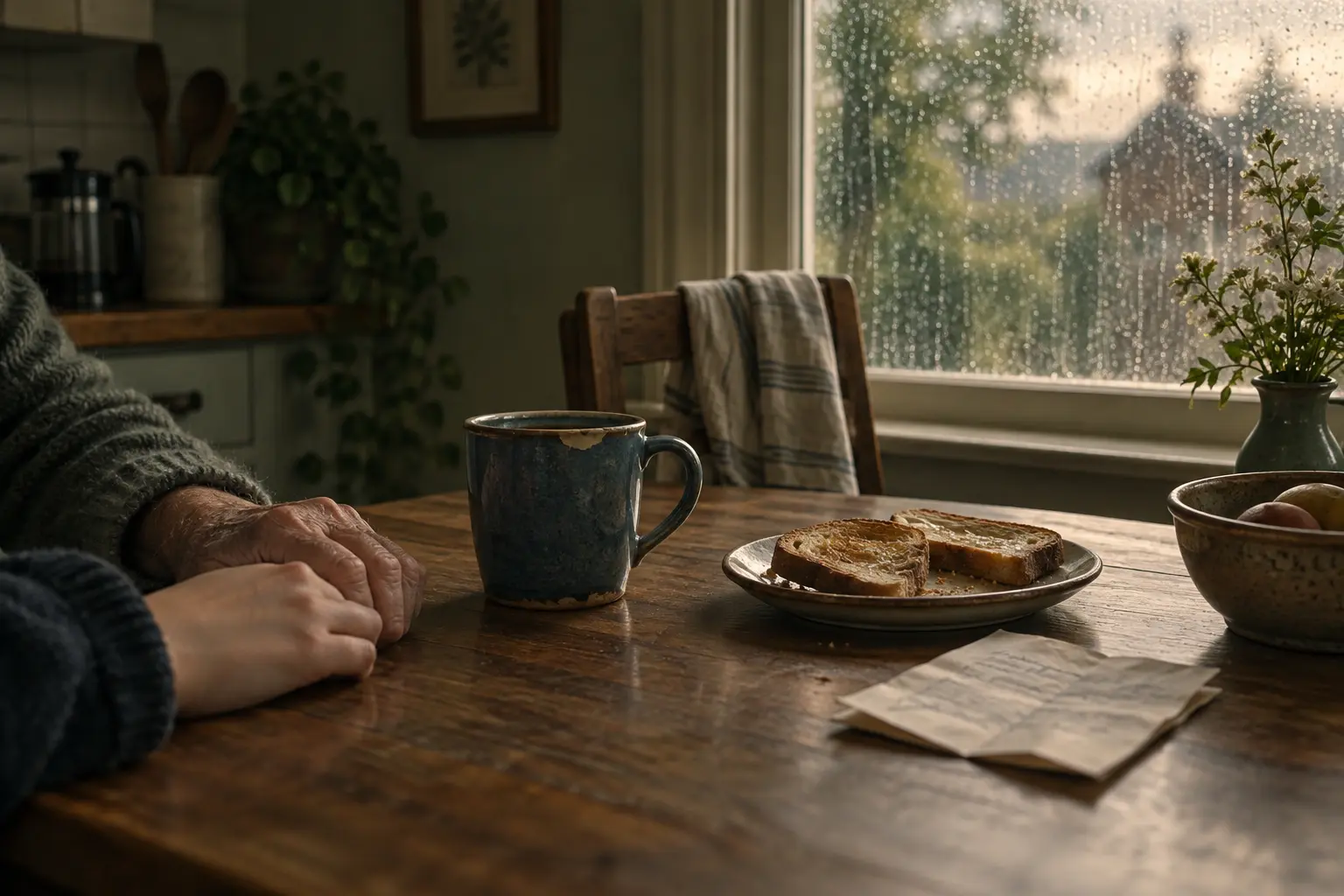
A recipe written on a card can be precise about the smallest things and silent about the largest. Two teaspoons of cumin. Cook until fragrant. A pinch of salt. No explanation of how the cook knows when the onions have gone far enough, or how many dinners it took to learn.
Someone copies the card. Years pass. A different stove heats the pan, the original spice shop closes, and one ingredient is replaced because a child cannot eat it. Everyone still calls the result the same family dish.
The instructions are only part of the inheritance
A recipe records a sequence of actions, but much of cooking travels through demonstration: the sound of oil at the right temperature, the way a hand feels dough, the quiet decision to add a little water. Written instructions are useful precisely because they travel farther than the person who wrote them. They are also incomplete.
To reproduce a dish perfectly might be impossible, even for someone who remembers eating it. Taste changes with ingredients, appetite, company, and the person sitting across the table. Calling the newer version false would treat an ordinary act of care as a failed museum reconstruction.
Whose name is on the card?
The phrase family recipe can hide as much as it preserves. Perhaps one person cooked it every week while everybody else received the credit of belonging to the family. Perhaps the person who washed the dishes, found cheaper ingredients, or fed the extra guest never appears in the story.
Remembering a dish generously means more than repeating its flattering origin tale. It may require asking who had the time to perfect it and who made that time possible.
What changes when we make it ours
There is an argument for leaving a recipe untouched. A familiar taste can be a rare point of continuity when a household, a language, or a place has changed. Deliberate fidelity can express attention rather than fear of change.
But passing something on is not identical to freezing it. The next cook may make it less spicy, more practical, or suitable for a smaller table. The adaptation does not erase the earlier cook. It records the circumstances of the person now making dinner.
One more note in the margin
Imagine the card returning to the drawer with a new line pencilled beneath the old instructions: use less water in this pan. Beside it is a name and a date. The card now contains two people disagreeing slightly about how to do the same thing.
Perhaps that is what a recipe can remember best: not one unchanging flavor, but the evidence that someone was here, made a choice, and left enough for another person to continue.
Part of Beyond the Known, an independent journal by Arin Vale.
Read our editorial approach