At the end of every November, three generations of Mara's family met to make the same sweet bread. Her grandmother measured by feel. Her uncle insisted the dough needed exactly twelve minutes of kneading. The youngest children were allowed to brush the tops with butter, provided they did not eat it first.
This year Mara suggested buying the bread from the bakery down the street. Her grandmother's hands hurt. Her uncle had a new baby. Half the family lived two hours away.
Nobody objected to the bread. They objected to what buying it seemed to say.
The labor inside the memory
A tradition can be a way of remembering people who are no longer at the table. The recipe carries jokes, corrections, and small arguments that a shop-bought loaf cannot reproduce. When Mara's uncle said, 'It won't be the same,' he was describing something real.
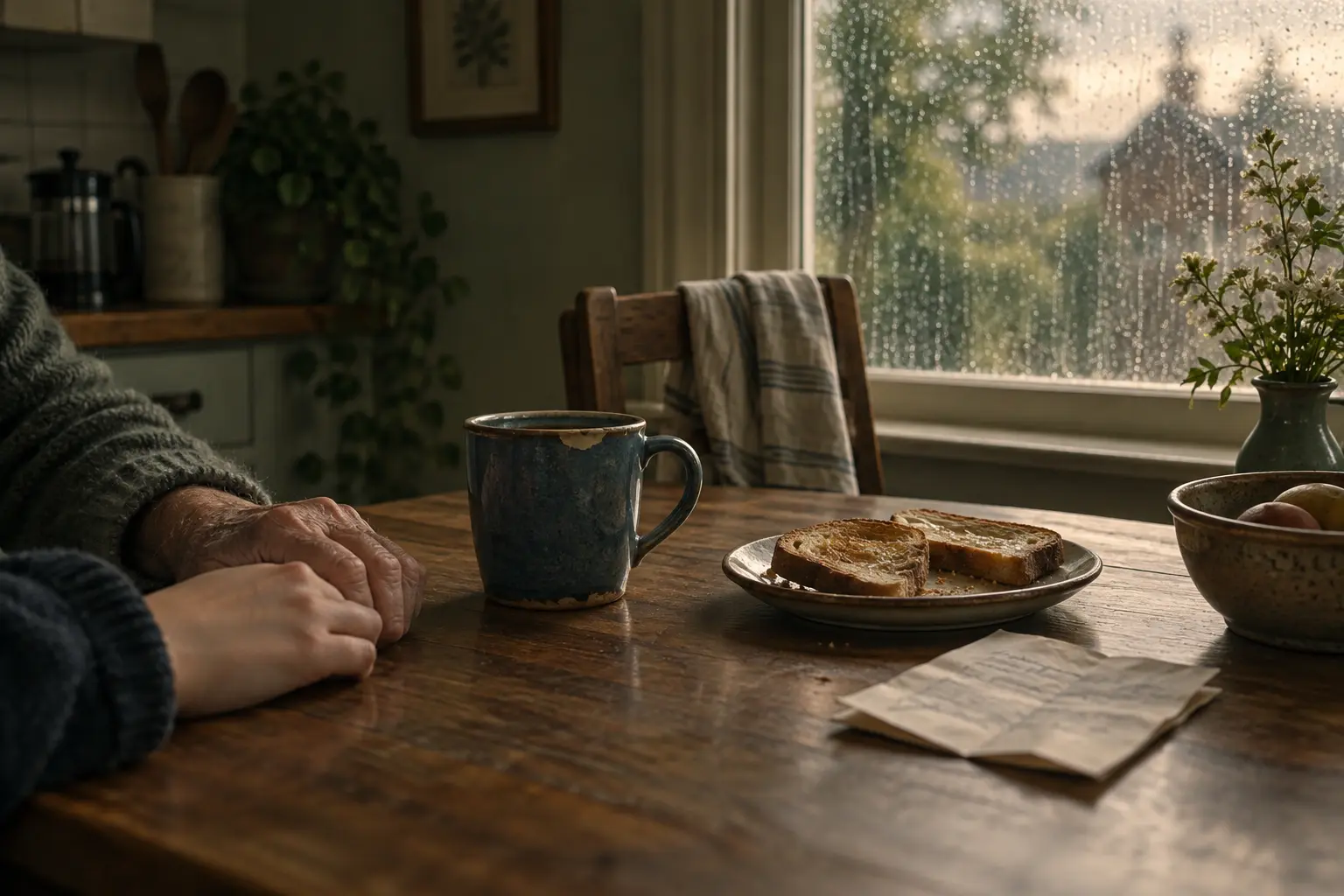
But the work had never been distributed evenly. Her grandmother prepared the ingredients before anyone arrived, then cleaned the kitchen after they left. Everyone called it her favorite day. Nobody had asked her recently.
There is a difference between wanting a ritual to continue and volunteering somebody else to keep it alive.
A different invitation
At dinner, Mara asked her grandmother what she wanted. She looked at the table for a long moment. 'I want everybody here,' she said. 'I don't need to make thirty loaves to get that.'
Her uncle offered a compromise: one loaf made together, the rest bought. Another cousin wanted to skip the bread entirely and take a walk. The children voted for butter, regardless of where it came from.
No plan pleased everyone. That was useful information. The family had mistaken a familiar arrangement for a unanimous preference.
What should stay?
There are reasons to be cautious about changing rituals too quickly. A gathering that becomes entirely convenient can lose the little acts of cooperation that made it meaningful. Sometimes the labor is the point: teaching a child to fold dough, making time for an older relative, accepting that a celebration asks something of us.
Yet a tradition survives by being practiced by living people. Those people get tired, move away, change their minds, and develop needs that the original arrangement did not anticipate.
Mara's family decided to make one loaf on Saturday and eat it together on Sunday. Her grandmother sat down while the children argued over the butter brush. It was not the same afternoon. They stayed longer.
When we say a tradition belongs to the family, who gets a say in what it asks of each person?
Part of Beyond the Known, an independent journal by Arin Vale.
Related reading: What Does a Recipe Remember? — on food, memory, and what a recipe can carry
Read our editorial approach